A historical team implementation connects ad and store data to research, reports and a reviewable creative request, so the next brief inherits commercial context instead of starting from a blank prompt.
2 data streams; ad performance and store/order context feeding the creative handoff. Source-defined operating scope. Historical report values are not an automation-caused revenue gain.
Bring the buying context into the brief
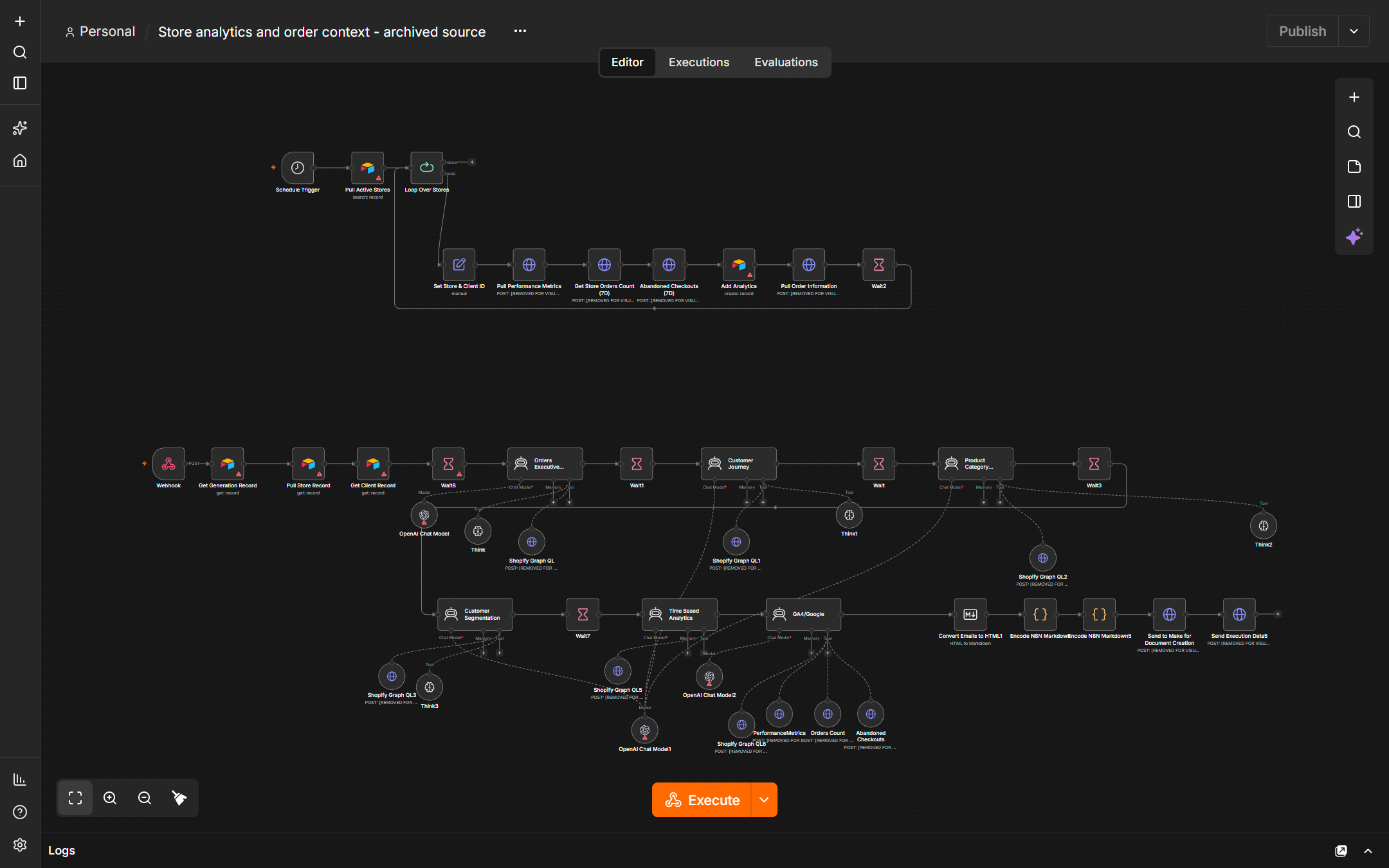
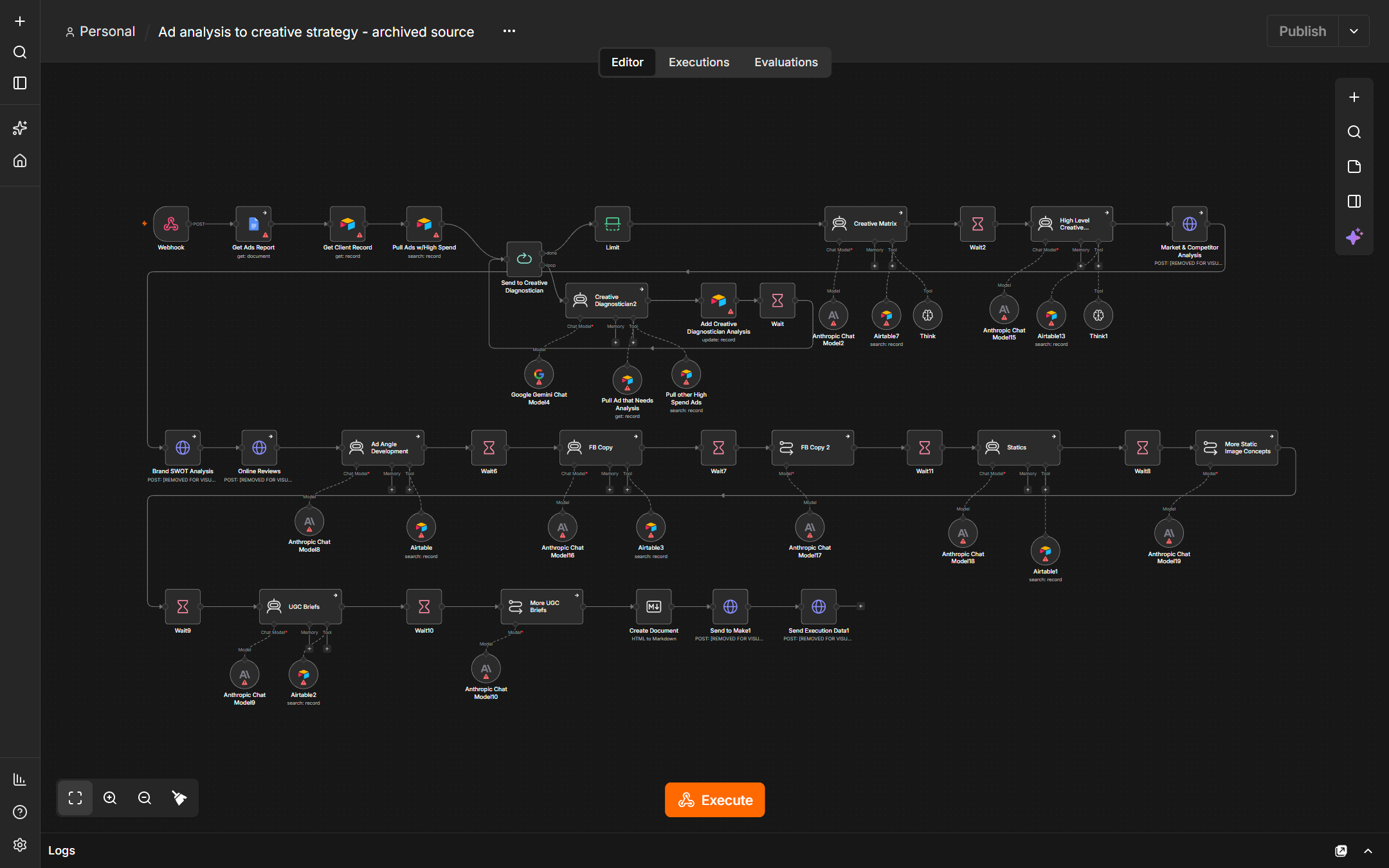
The system joins Meta advertising and Shopify/store context in an Airtable-led workspace. The original source archive includes store analytics and creative-strategy workflows, which are shown as inactive local n8n imports.
Keep the cadence and attribution visible
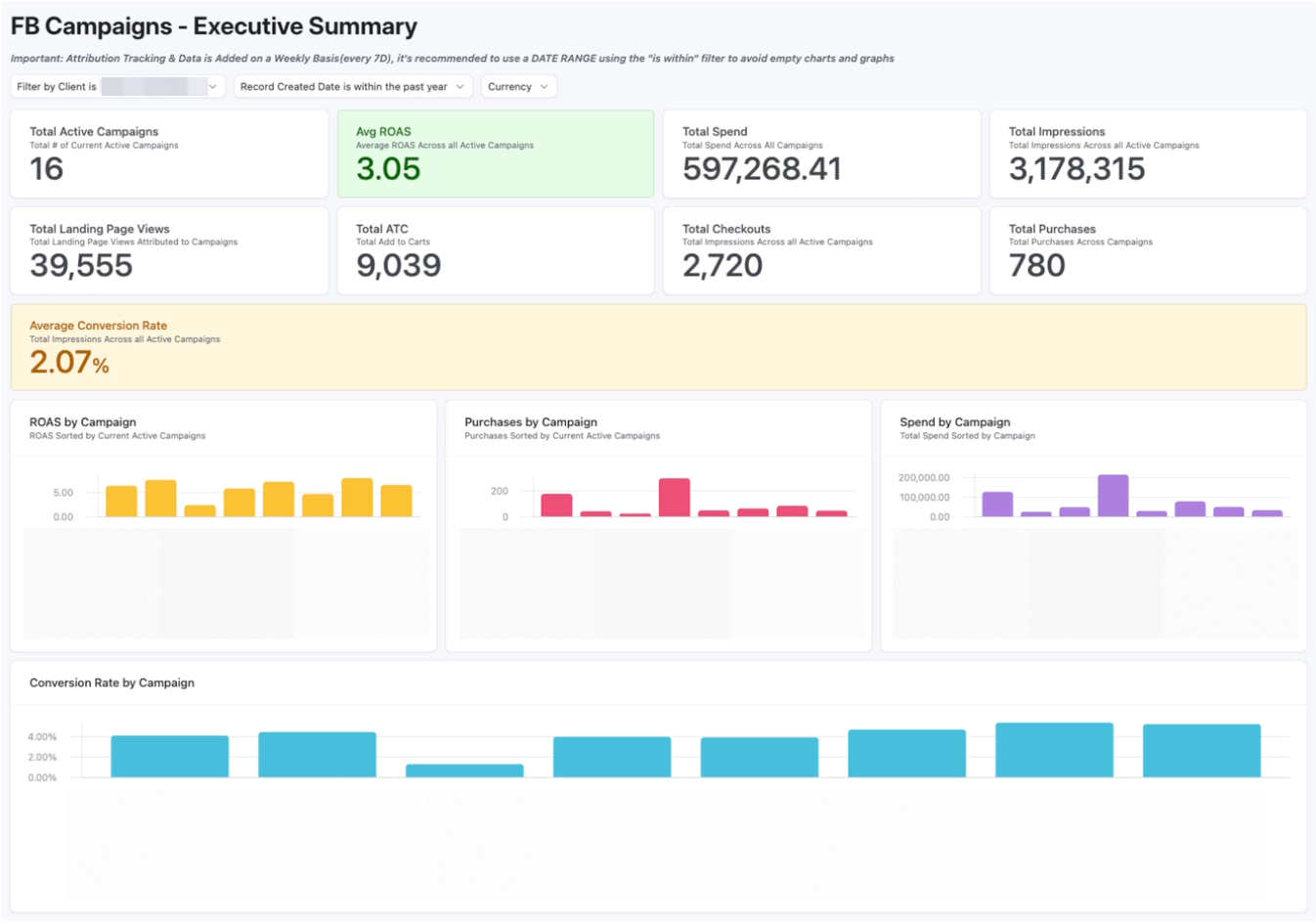
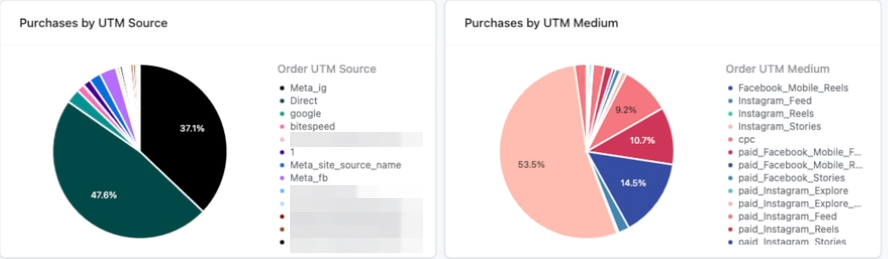
The recorded interface describes seven-day collection and attribution cadences. Date filters, metric definitions and the distinction between measured fields and source estimates stay attached to the displayed figures; values from different filters are not merged.
Use reports as inputs, not as proof of uplift
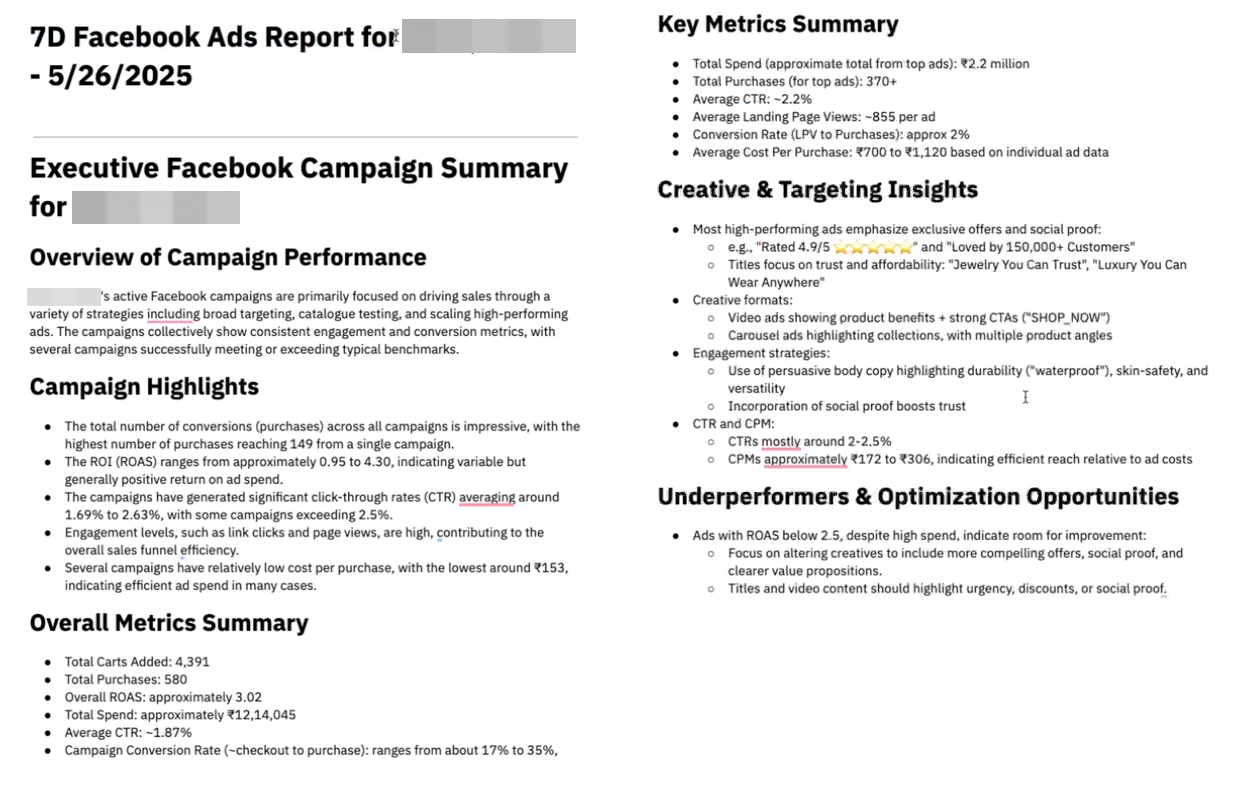
The historical dashboards and generated report excerpts demonstrate the information available to a creative team. They do not establish that this automation caused the orders, ROAS or revenue shown.
Hand over a request a person can review
The useful output is a research-informed creative request with the relevant report and store context. The team still reviews the strategy and copy before client-facing delivery. No labor-hour reduction is asserted without a timing record.
Supporting views
About this view
Recorded historical workspace; identifying fields locally anonymized. Values are source content, not automation-caused uplift.
About this view
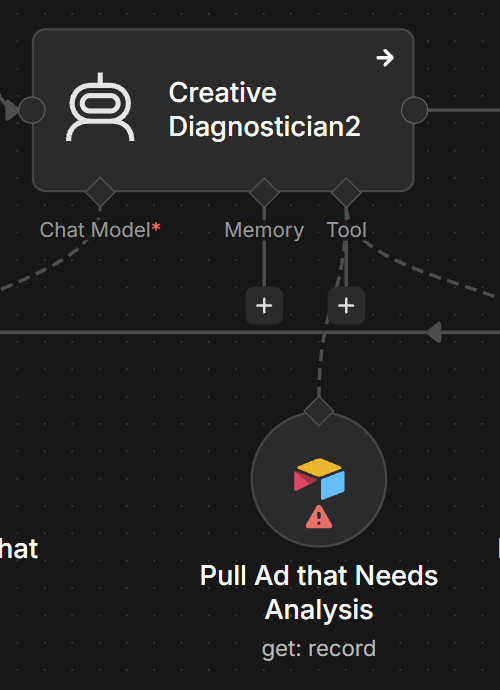
46-node source imported locally, inactive and without credentials. No execution or production acceptance implied.
About this view
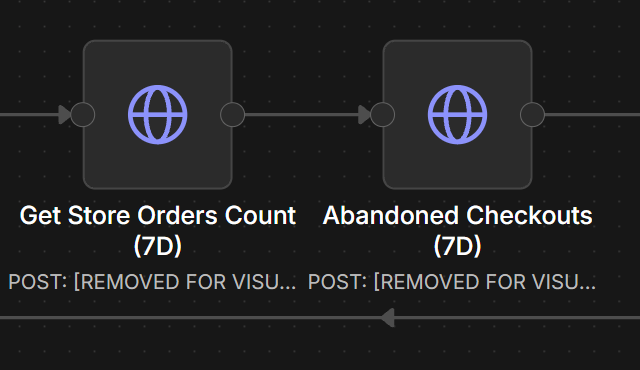
Native local source detail.
About this view
51-node source imported locally; no execution.
About this view
Native local source detail.
About this view
Recorded source values and qualifiers retained; identifying fields locally anonymized.
About this view
Recorded workspace excerpt, not current performance. Identifying fields locally anonymized.